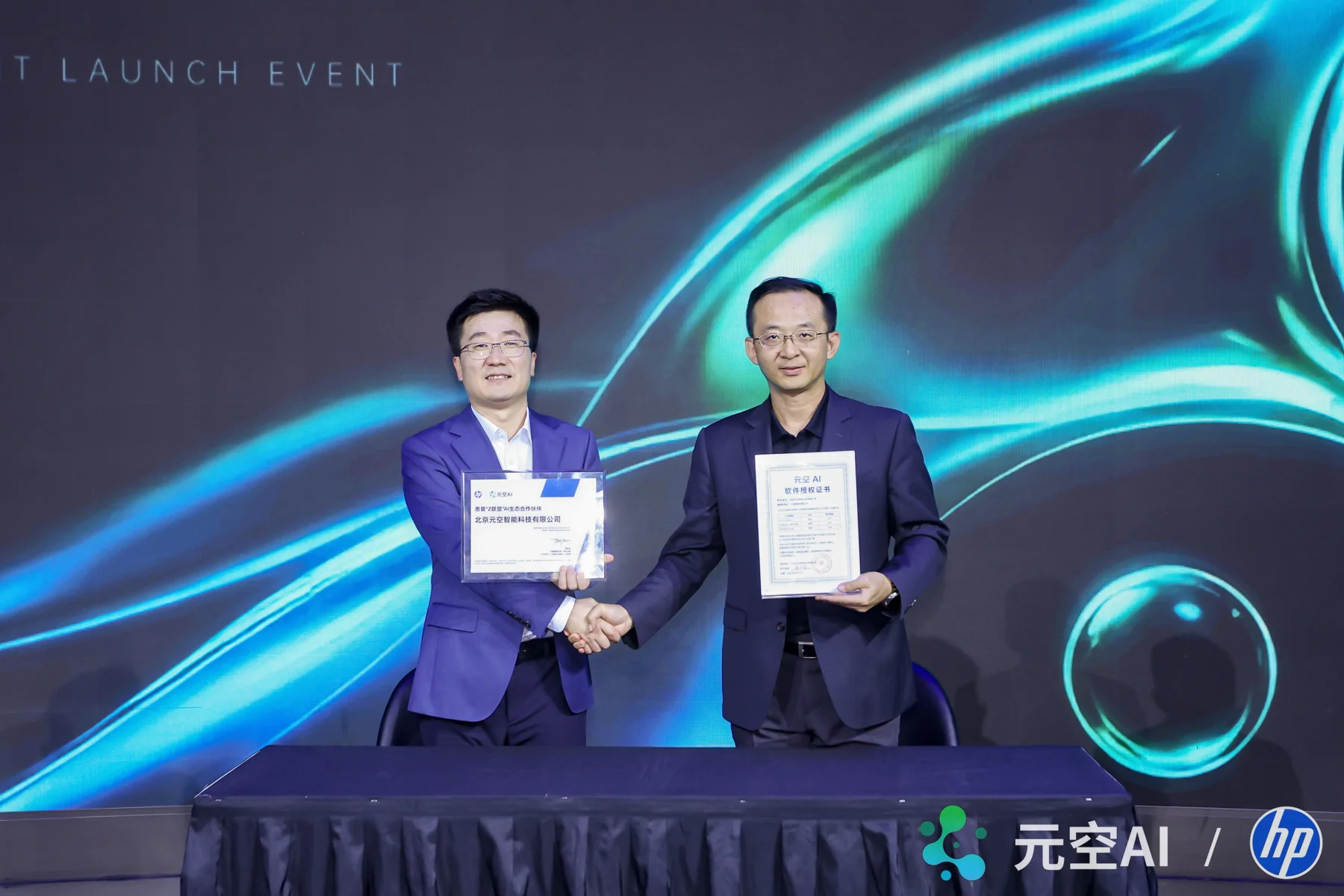
 hiData
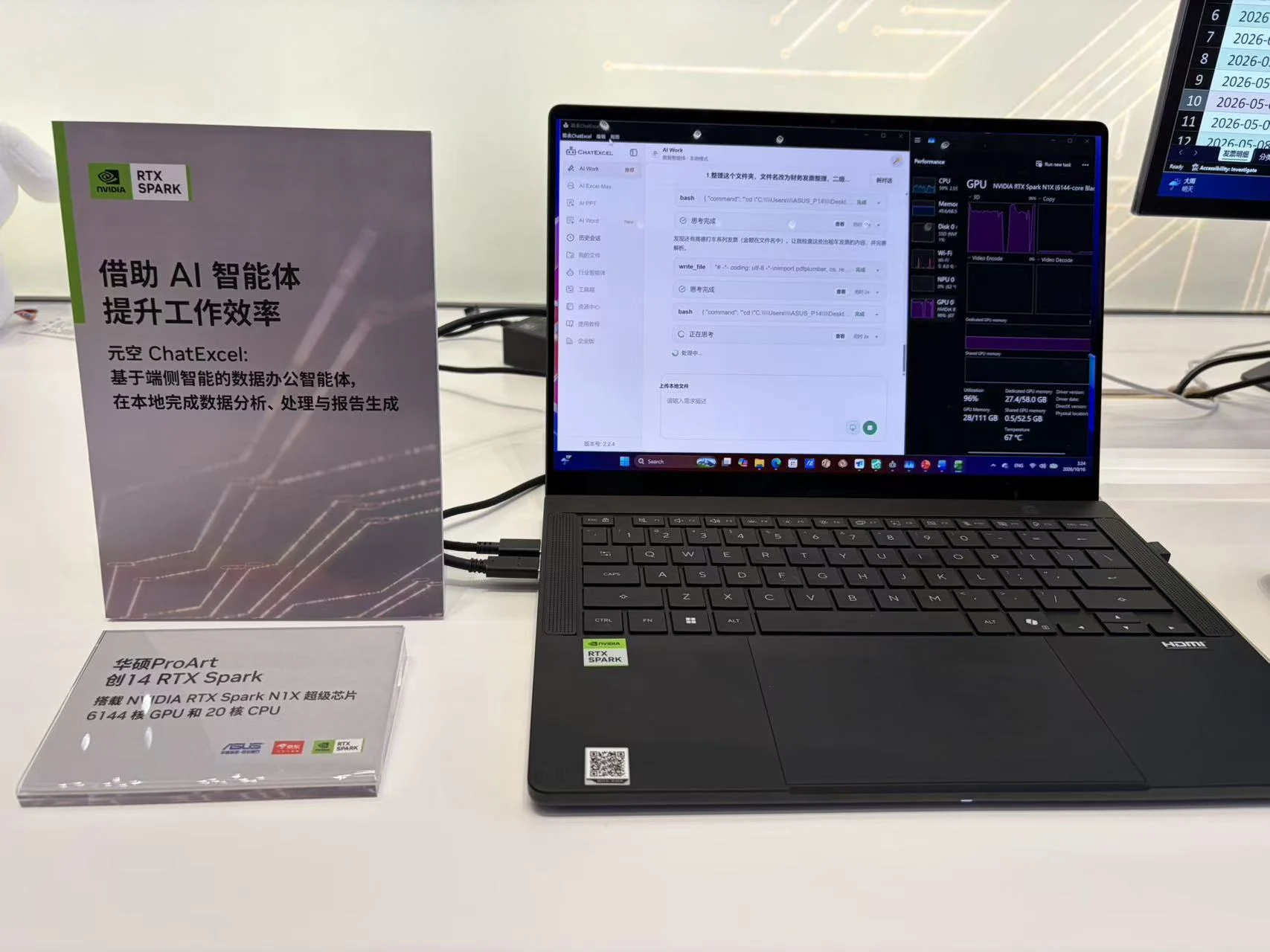
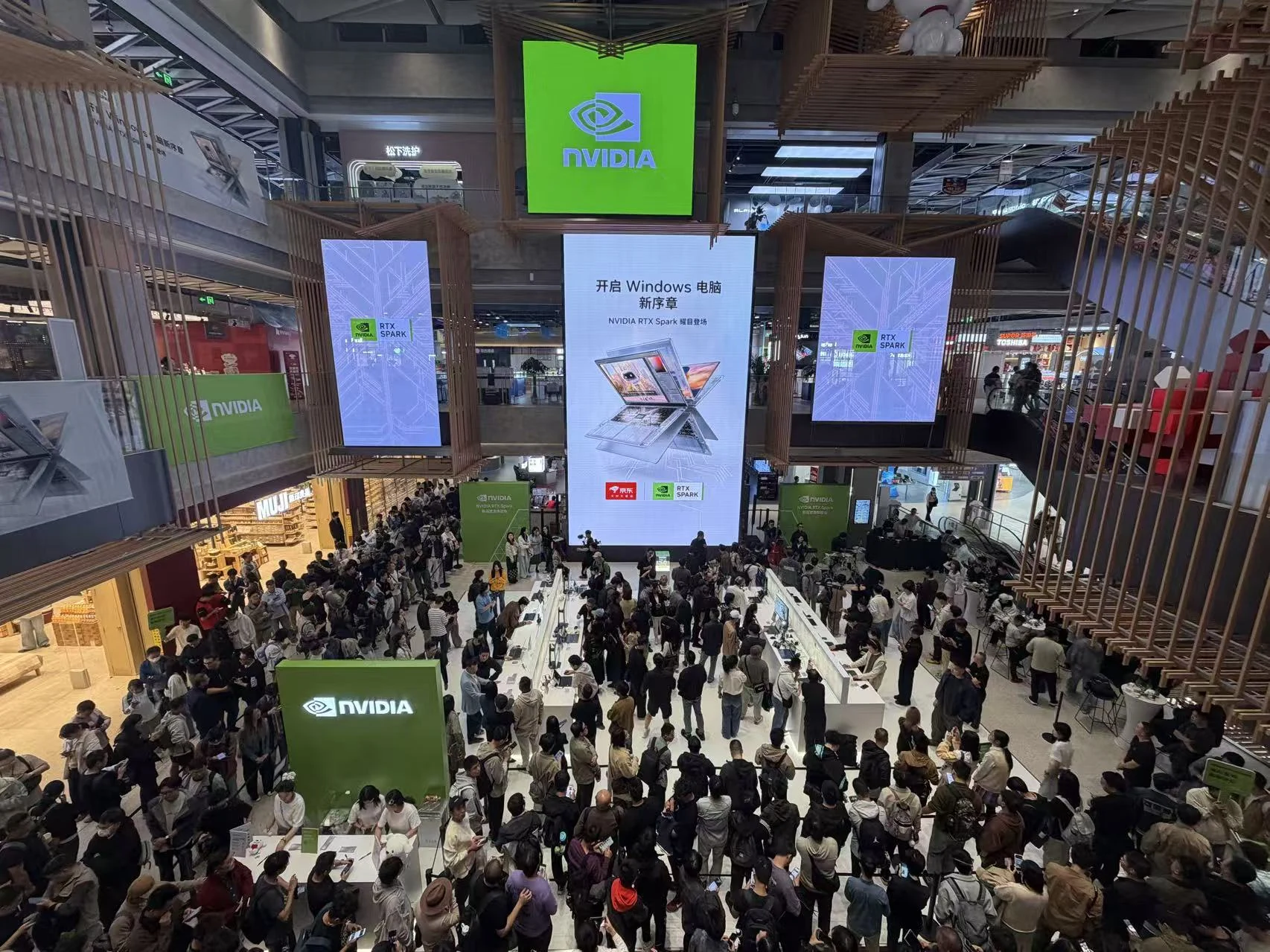
On October 16, 2026, NVIDIA launched RTX Spark-powered Windows PCs, bringing GPU-accelerated AI computing to slim laptops and compact personal devices. hiData was featured in the product showcase, demonstrating an on-device approach to everyday office workflows.
The showcase connected a new generation of personal AI hardware with a practical question: what can people accomplish when capable AI models and agents run where their files and work already live? For hiData, the focus was local data analysis, file processing, and report generation.
A new platform for personal AI computing
RTX Spark combines an NVIDIA Grace CPU with up to 20 cores and an NVIDIA Blackwell RTX GPU with up to 6,144 CUDA cores. NVIDIA NVLink-C2C connects the CPU and GPU, while unified memory supports shared access to data across the system.
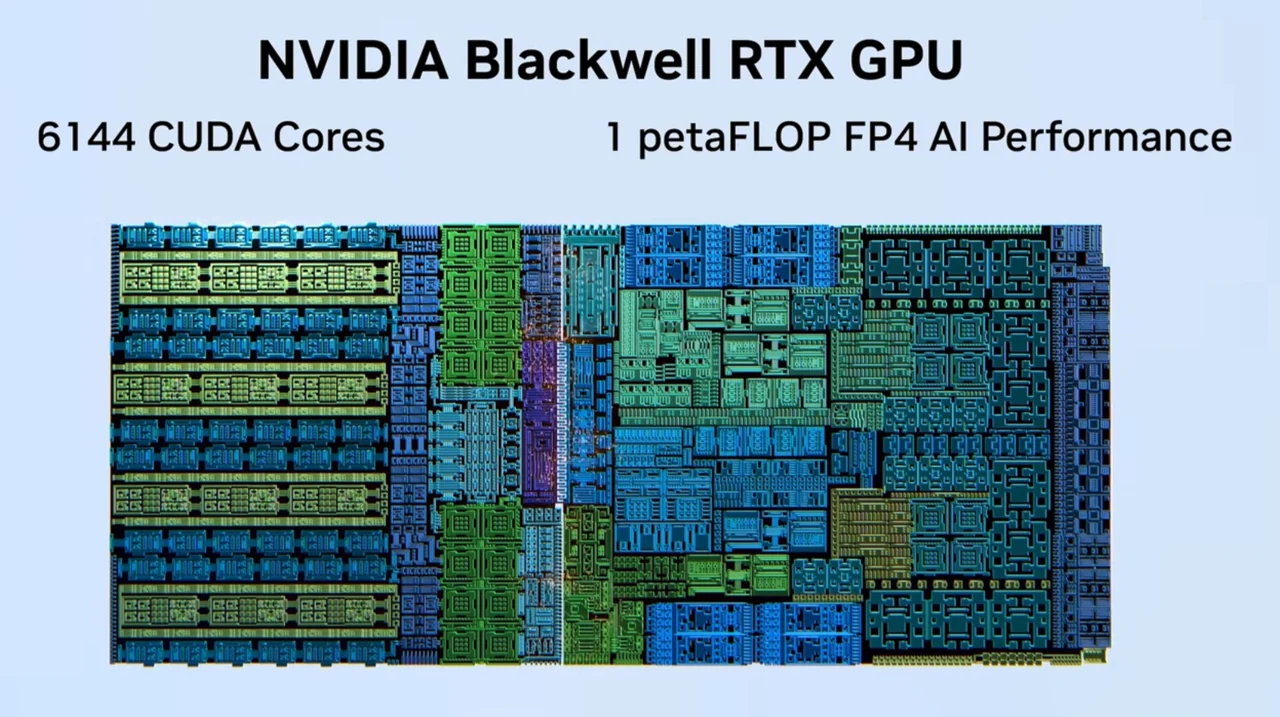
According to NVIDIA, RTX Spark offers up to 1 petaflop of FP4 AI performance and up to 128 GB of unified memory. Supported configurations can run large language models with up to 120 billion parameters locally. These are platform capabilities, rather than performance measurements of hiData’s software; the experience depends on the device, model, and workload.
Putting local computing power to work
At the showcase, hiData presented local office AI powered by YuanKong’s Boxer 35B model. The demonstration station featured YuanKong ChatExcel, showing how an AI agent can work with data and files on a personal computer.
The approach brings together natural-language instructions and the steps needed to complete office tasks. Workflows can span spreadsheet analysis, database processing, report preparation, and presentations, with the aim of reducing repetitive work across files and tools.
Greater control over business data
Local deployment matters for teams working with sensitive business information. In a fully local configuration, model inference and file processing can take place on the user’s device, allowing the workflow to operate without sending that data to a public cloud model service.
Deployment choices still matter. Teams should evaluate which models, tools, and connected services a particular workflow uses, and whether any optional cloud features are enabled. Keeping work local is a property of the configured workflow, not a blanket guarantee for every AI feature.
From AI capability to everyday productivity
RTX Spark provides the computing foundation; hiData’s focus is on turning that capability into work people can use. The launch showcase offered a practical view of that connection: models running locally, agents working across files, and office tasks carried out on a personal device.
hiData will continue exploring how local models and personal computing devices can support office workflows, with an emphasis on useful results and clear choices about where data is processed.
About YuanKong
YuanKong develops on-device AI models and agents for office work and scientific research. Its work began with ChatExcel and has expanded into data agents and local AI workflows. Visit the hiData website.